
Labour Law

Overtime Pay
Labour Law

12-Hour Shifts and Double Overtime Pay: Boon for Earnings or Burnout Trap in Startups?

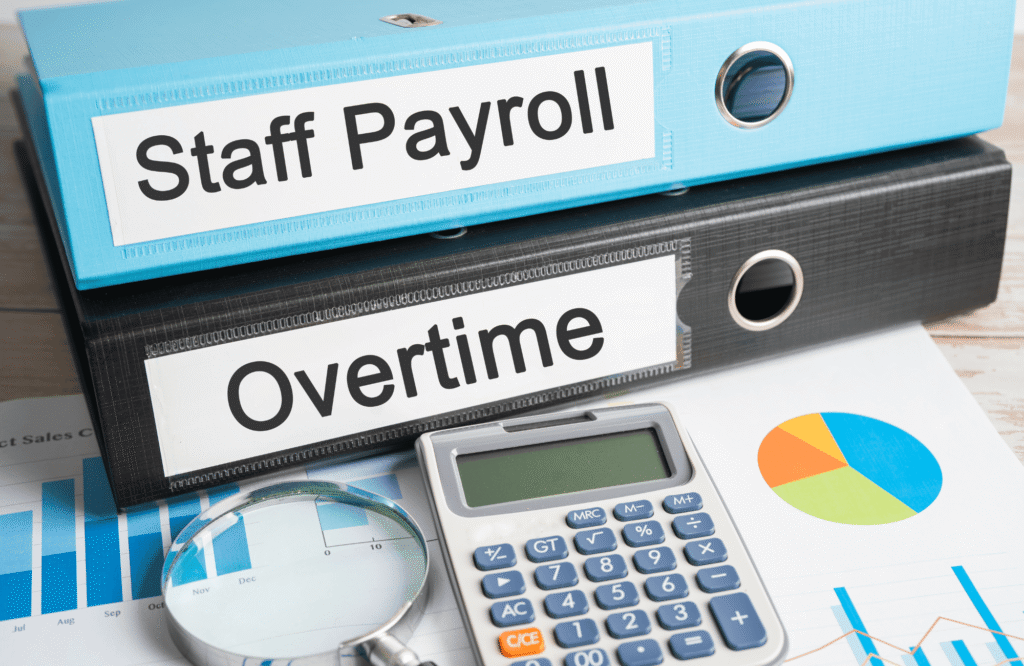
12-Hour Shifts and Double Overtime Pay: Boon for Earnings or Burnout Trap in Startups? You stare at your laptop at 10 PM on a Tuesday, pushing code for a product launch that feels endless. Moreover, your founder messages the team Slack: “We need all hands on deck this week.” Furthermore, in India’s startup world, such long hours have long been the norm, often without extra pay. Additionally, everything changes now because the new labour codes, effective from November 21, 2025, bring strict rules on working hours and overtime. However, many employees wonder if these changes truly protect them or simply create a burnout trap disguised as more money—especially in high-pressure startups. The Occupational Safety, Health and Working Conditions (OSH) Code, 2020, consolidates 13 old laws into one modern framework. Moreover, it caps normal working hours at eight hours a day and 48 hours a week. Furthermore, it allows total daily hours up to 12, including rest intervals. Additionally, any time beyond normal hours counts as overtime and pays double the ordinary wage rate. Most importantly, overtime requires your explicit consent—you cannot be forced. You gain the power to earn significantly more if you choose extra hours. However, startups often blur lines between passion and exploitation. Therefore, this blog explains the exact legal provisions in simple English, shows real calculations, and focuses on what happens in startups—where employees frequently feel they have little real power to say no. First, What Exactly Do the New Rules Say About Daily Hours and Spreadover? The OSH Code under Section 13 fixes normal working hours at no more than eight hours in a day. Moreover, the weekly limit stays at 48 hours. Furthermore, the total spreadover—the time from starting work until ending, including breaks—can extend to 12 hours in a day. Additionally, this setup enables flexible models like a four-day workweek with 12-hour shifts, as long as the weekly cap holds. In simple English, you work a standard eight-hour day most times. However, your employer schedules up to 12-hour days if needed, and the extra four hours become overtime at double pay. Furthermore, states fix exact rest intervals, but generally, you get at least 30 minutes after every five hours. Additionally, no one works more than six days straight without a full day off. Next, How Does Overtime Work and How Much Extra Will You Earn? Section 14 of the OSH Code states clearly that overtime happens when you exceed normal hours. Moreover, employers pay it at twice your ordinary rate of wages. Furthermore, the Code limits overtime to 125 hours in a three-month quarter in most cases. Additionally, most crucially, Section 14 requires your prior consent in writing or electronically—no overtime without agreement. For example, suppose your monthly salary is Rs 60,000, and you work on a five-day week. Your daily wage calculates as Rs 60,000 divided by 26 working days, which equals about Rs 2,308. Furthermore, your hourly rate becomes Rs 2,308 divided by eight hours, roughly Rs 288. Additionally, if you work a 12-hour day, the extra four hours earn you 4 times 2 times Rs 288, which totals Rs 2,304 extra for that day—almost a full day’s pay on top. Over a month with five such long days, you pocket around Rs 11,500 more. Moreover, for someone earning Rs 1 lakh monthly, one 12-hour day adds about Rs 3,846 in overtime. Furthermore, this double rate applies universally, even to IT and software employees who rarely got it before. Additionally, Why Do Many Call This a Potential Burnout Trap? Additionally, why do many call this a potential burnout trap? Prolonged working hours take a serious toll on both physical and mental health. Studies indicate that working more than 55 hours a week increases the risk of heart disease by nearly 35 percent, along with higher chances of anxiety, depression, and chronic fatigue. In India’s startup ecosystem, employees already report intense pressure, tight deadlines, and limited work–life balance, making extended shifts even more taxing. Moreover, 12-hour workdays leave little time for family, rest, or personal well-being. Persistent fatigue can lower productivity, increase workplace errors, and raise the risk of road accidents during long daily commutes. Over time, this exhaustion may lead to disengagement and high attrition rates. Furthermore, while the labour Code mandates safeguards such as free annual health checkups for workers above 45 years of age and safety committees in larger establishments, enforcement often remains weak in fast-paced startup environments. Although employee consent is required for overtime, many workers worry that refusing extended hours could negatively affect promotions, performance evaluations, or even job security—turning a supposed benefit into a subtle form of compulsion. So, What Changes Specifically for Startups—and Do Employees Really Have Power? Startups under 50 employees often escape some old rules, but the new OSH Code applies to almost all establishments. Moreover, no blanket exemptions exist for startups or IT firms anymore—states previously gave relaxations, but the national code sets the floor. Furthermore, many startups register as IT/ITES and hope for state-level flexibility, but the double pay and consent rules bind everyone. In reality, power feels uneven. Moreover, founders build “mission-driven” cultures where refusing overtime labels you as not committed. Furthermore, stock options and growth promises make employees volunteer endlessly. Additionally, early-stage startups plead resource constraints and expect free extra effort. However, the law gives you real tools now. First, consent must be explicit—not assumed from joining. Next, track your hours accurately—demand proper attendance records. Furthermore, if pressure mounts to “agree” unwillingly, you complain to the labour inspector or file via the new portals. Additionally, penalties for violations reach Rs 2-3 lakh, plus possible license issues, so compliant startups think twice. Moreover, many funded startups already shift to formal HR policies to attract talent. Furthermore, investors push for sustainable practices to avoid legal risks. Additionally, employees in larger startups gain more leverage through collective voice. Let Us Break Down a Real Startup Scenario with Numbers Imagine you join a Series B fintech startup at Rs 15 lakh annual CTC.

Labour Laws in India
Family Law, Labour Law

2025 Labour Code Shock: Lower Salary, Bigger PF?

2025 Labour Code Shock: Lower Salary, Bigger PF? You open your payslip this month and notice something different. Moreover, your HR team sends an email about salary restructuring under the new labour codes. Furthermore, you wonder if your monthly take-home pay will shrink while your retirement savings grow bigger. Additionally, this exact scenario now plays out for millions of employees across India since the four new labour codes came into effect on November 21, 2025. The government consolidates 29 old labour laws into four modern codes. These include the Code on Wages 2019, the Code on Social Security 2020, the Industrial Relations Code 2020, and the Occupational Safety, Health and Working Conditions Code 2020. Moreover, the biggest change that directly affects your wallet comes from a uniform definition of “wages.” This definition forces companies to restructure salaries in a way that boosts provident fund (PF) contributions and gratuity payouts. However, it often reduces your immediate in-hand salary if your total cost to company (CTC) stays the same. You deserve to understand exactly what the law says and how it impacts you. Therefore, this blog breaks it down step by step with real examples, calculations, and practical tips. First, What Exactly Do the New Codes Say About “Wages”? The Code on Wages 2019 and the Code on Social Security 2020 introduce a single, clear definition of wages that applies everywhere. Previously, different laws used different definitions, which created confusion and allowed companies to keep basic pay low. The law now defines wages as all remuneration that includes: Basic pay Dearness allowance (DA) Retaining allowance (if your job provides one, common in some industries like sugar mills) However, wages exclude certain items. These exclusions cover bonus, house rent allowance (HRA), conveyance allowance, overtime pay, commissions, employer PF contributions, gratuity, and retrenchment compensation. Most importantly, the law adds a crucial 50 percent rule. Excluded components (all allowances together) cannot exceed 50 percent of your total remuneration or CTC. If they do exceed 50 percent, the excess amount counts as wages for calculating benefits like PF and gratuity. In simple English, the government ensures that at least 50 percent of your total pay counts as the core “wages” component. Companies can no longer load your salary with huge allowances to minimize statutory contributions. As a result, basic pay plus DA effectively rises to at least 50 percent for most employees. Next, Why Does This Make PF Contributions Skyrocket? Employees and employers both contribute 12 percent of wages to the Employees’ Provident Fund (EPF). Previously, many companies kept basic pay at 30 to 40 percent of CTC and put the rest in allowances. This practice kept PF deductions low. Now, with the 50 percent rule, the base for PF calculation increases. Both you and your employer pay more into your PF account each month. Moreover, for employees earning up to Rs 15,000 per month, this change hits harder because PF applies to the full amount without any cap. For higher earners, employer PF often caps at 12 percent of Rs 15,000, but your own contribution rises if basic pay goes up. Furthermore, higher PF means more money compounds over time with interest (currently around 8 to 8.5 percent per year). This builds a much stronger retirement corpus. Additionally, How Does Gratuity Get a Massive Boost? Gratuity is the lump-sum amount your employer pays when you leave after completing the eligibility period. The formula calculates it as (last drawn wages × 15 days) × number of years served, divided by 26. Under the new codes, gratuity bases on the same expanded “wages” definition. Since wages now form at least 50 percent of CTC, your final gratuity payout becomes significantly higher. For example, fixed-term contract employees now qualify for pro-rata gratuity even after just one year of service. Previously, everyone needed five continuous years. In addition, the higher wage base directly inflates the amount. Experts estimate gratuity could rise by 20 to 50 percent or more, depending on your previous salary structure. So, Will Your Take-Home Salary Actually Drop? Yes, for many employees, it will drop in the short term if your employer keeps the overall CTC unchanged. Companies shift money from flexible allowances (which you received in hand) into the higher basic pay. This higher basic pay then goes partly to increased PF deductions. However, this shift does not reduce your total earnings. It simply redirects more money into forced long-term savings. Moreover, some companies absorb the extra employer PF cost or restructure allowances creatively to minimize the dip. Others increase CTC slightly to offset the impact. Furthermore, lower earners (below Rs 15,000 monthly) feel the biggest monthly pinch because PF rises fully on the increased base. Let Us Look at Real Numbers to Make This Crystal Clear Suppose your annual CTC is Rs 10 lakh (about Rs 83,333 monthly). Old Structure (Common Before November 2025): Basic pay: 40 percent = Rs 4 lakh per year (Rs 33,333/month) Allowances (HRA, special, etc.): 60 percent = Rs 6 lakh Your PF contribution (12 percent of basic): Rs 4,000/month Take-home (after PF and taxes, roughly): Around Rs 65,000 to 70,000/month New Structure (After 50 Percent Rule): Companies raise basic to at least 50 percent = Rs 5 lakh per year (Rs 41,667/month). They reduce allowances to Rs 5 lakh. Your PF contribution now: 12 percent of Rs 41,667 = Rs 5,000/month Extra deduction: Rs 1,000/month (Rs 12,000/year) Take-home drops by about Rs 800 to 1,200/month after taxes Meanwhile, your PF corpus grows faster. After 20 years, this extra Rs 12,000 annual contribution (plus employer match and interest) adds lakhs to your retirement fund. For a Rs 7 lakh CTC employee whose basic was 40 percent earlier: Old PF: Rs 33,600/year New PF: Rs 42,000/year Monthly take-home drops by Rs 500 to 800 For Rs 15 lakh CTC: Old basic Rs 6 lakh → New at least Rs 7.5 lakh PF rise: Rs 18,000/year Gratuity for 10 years service jumps from about Rs 2.88 lakh to Rs 3.60

Biography of Advocate Narayana Swamy G
Civil Litigation, Criminal Law, Family Law, Labour Law, Money Extortion, Senior Advocate

Biography of Advocate Narayana Swamy G

Biography Sri. Narayana Swamy G Sri. Narayanaswamy G., born on 23rd February 1984 in the quiet village of Kodigehalli, Tumkuru District. His roots are in the rural heart of Karnataka, where his parents, Sri. Gangaiah and Smt. Yellamma, toiled as farmers. His path was defined by hard work, not privilege. Upon the unwavering support of his elder sister, Smt. Manjula, he made the journey to Bengaluru. He studied in a Government School, Jaraganahalli, where he completed his SSLC, unfortunately post the schooling due to certain difficulties, he took a break from his education and started working in a workshop as mechanic. After 5 years, he realized that it is very important to continue his education, thus he joined a Government PU College, Yadiyur, and completed his PU education. Thereafter, he pursued his BA degree from BES Degree College of Arts Commerce & Science, Bengaluru, often studying in the central library situated at South End Circle, after long hours of working as a mechanic in a garage. Meanwhile, along with his education, he was an excellent sportsperson, was playing Kabbadi for Nationals, he also represented Bangalore University in Kabbadi tournaments. Despite every difficulty, he went on to complete his LLB in 2010 from the same college, proving that your circumstances do not define your potential. Today, he stands as a dynamic, young, and energetic advocate in Karnataka, practicing in various areas of civil and criminal matters, such as property matters, matrimonial matters, etc in civil and murder cases, pocso cases, drug trafficking cases, etc in criminal matters. He is known for tackling high-profile cases, including his defense counsel role in cases involving Mutthappa Rai, Aishwaraya Gold scam case and also his recent role in the Renukaswamy murder case, which is the talk of the town in recent days, and cases involving many other celebrities and politicians. His influence extends to policy and governance: he has been elected twice in the year 2016 and 2021 to the post of Governing Council of the Advocates’ Association, Bengaluru—the largest advocates’ association in Asia and also was Ex-Vice President of the City Civil Court, Advocates’ Association, Bengaluru. Presently, he serves as the State President of the Jayakarnataka Legal Cell since 2017. He is a passionate advocate for the Advocates’ Protection Act, who was leading the struggles driven by a clear mission to ensure a fearless and dignified environment for the entire legal fraternity across Karnataka. Jaitra Associates, a highly successful law firm, is efficiently led by him, overseeing the practice of nearly 15 advocates. The firm boasts an excellent track record of its practicing advocates successfully becoming judges and is deeply committed to nurturing talent by offering valuable internship opportunities to students. Significantly, Jaitra Associates is recognized for molding its advocates into a form conducive to establishing successful independent practices, and it consistently champions and encourages especially first-generation advocates and lawyers from rural backgrounds. He is not just a formidable lawyer, he is a man of remarkable talent. He is an excellent singer, trained by his Guru Smt. Manjula Gururaj, a national Kabaddi player, a social worker and a Kannada Activist. His journey demonstrates that a balanced life, rich with passion and discipline, fuels success. Beyond his legal practice, he has set an extraordinary benchmark for social responsibility, one of such social work during the most crucial moments of the COVID-19 pandemic, when fear ruled, he spent crores of rupees from his own pocket to provide ration, medical kits, and essential supplies to countless people. Most heroically, he voluntarily took on the task of performing the last rites for dead bodies that were left untouched and abandoned by their own families. A remarkable incident during the Kaveri dispute, he personally availed bail for nearly 300 Kannada Activists out of his personal expenses and also have acquitted them from the said cases without taking any fee. Rather than giving mere words and hopes to the beloved Kannadigas, he used law as a weapon to protect the interest of the prominent Kannada Activists. This is what a true role model looks like a person who climbs the ladder of success, not to admire the view alone, but to reach back and help lift countless others. His mission is clear to build a fearless, united, and resilient legal fraternity where justice can thrive and every advocate can work with dignity. Throughout his career, he has been a strong voice for advocates’ rights and safety across Karnataka. His vision focuses on ensuring security, support, and protection for all legal professionals, especially against the challenges and threats they face while upholding the law. He has consistently prioritized judicial interests over personal gain. In several cases, he conducted on probono basis for the public good. Till today, he had been constantly striving for the justice of the helpless people who had been victimized. He is a man known for his dedication, courage, and unwavering commitment to justice. He is the true inspiration, the authentic role model for many young lawyers and aspiring lawyers. https://youtu.be/1SzLzaRBz7U?si=cU7o-c-flWis-3FShttps://www.youtube.com/watch?v=fcK1QSCWdn0

Scroll to Top